When anxiety spikes, a memory pulls you back, or everything starts to feel far away, the mind is somewhere other than here. Grounding techniques are simple ways to bring your attention back to the present moment, through your senses and your body.
Grounding is used across many evidence-based treatments, including CBT and Dialectical Behavior Therapy (DBT), where it sits close to the observe and describe skills. It does not solve the problem that set off the distress. It gives you enough footing to think clearly about what to do next.
The 5 4 3 2 1 Grounding Technique
This is the most widely used grounding exercise, because you can do it anywhere and no one needs to know. Go slowly, and name each item silently or out loud.
- 5 things you can see. A lamp, a crack in the ceiling, the color of a sleeve. Look for detail.
- 4 things you can feel. Your feet on the floor, the chair under you, the temperature of the air, fabric on your skin.
- 3 things you can hear. Traffic, a fan, your own breathing.
- 2 things you can smell. If nothing is obvious, smell your hand, your sleeve, or move to find a scent.
- 1 thing you can taste. Or one slow sip of water and notice it.
If you lose count, carry on, adapt it, or skip a sense. There is no correct way to finish. The point is to orient to where you are and engage with the present, even if some anxiety stays.
Physical Grounding Techniques
Some people find the senses exercise too abstract when distress is high. Body-based grounding can feel more direct.
- Feet on the floor. Press your feet down and notice the pressure, then the heels, then the toes.
- Hold something. A key, a stone, a mug. Describe its weight, temperature and texture.
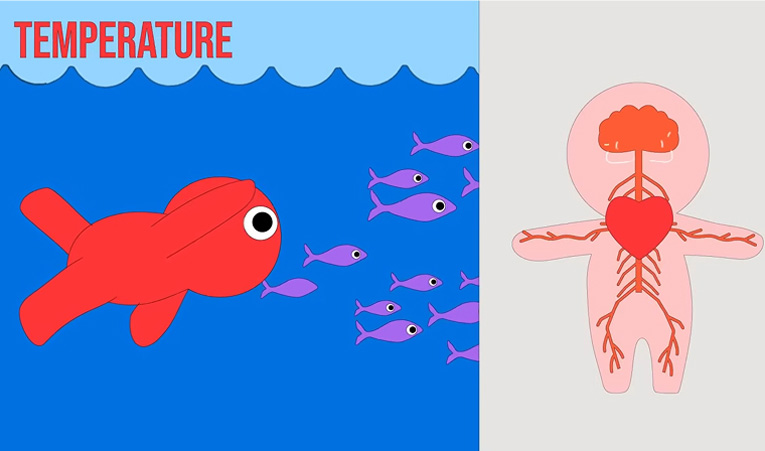
- Cool water. Cool water on the hands or face is one way to bring attention to the body. Use water above 50°F (10°C), never to the point of pain, and check with your doctor first if you have a heart condition or cold sensitivity. For a structured version, see the DBT temperature skill.
- Paced breathing. Breathe out longer than you breathe in, for example in for four and out for six, for a minute or two. Our TIP skills guide has a guided pacer.
- Move. Stand up, stretch, walk around the room and notice each step.
Mental Grounding Techniques
- Orient to time and place. Say the date, where you are, and what you are about to do next.
- Categories. Name as many animals, cities or foods as you can in one minute.
- Describe the room as if you were explaining it to someone on the phone.
- Count backward from 100 by sevens.
These work because they require attention. A mind busy with a task has less room for a spiral.
When Should You Use Grounding?
Grounding can help with panic and high anxiety, intrusive memories and flashbacks, feeling detached or unreal, and strong urges you do not want to act on. Some people also use it during an ordinary stressful day.
It works best as a bridge, not a destination. Once you are more present, the next step might be a crisis survival skill, a conversation, or simply getting on with the day.
What If Grounding Is Not Enough?
If you need grounding many times a day, or flashbacks and panic are getting in the way of your life, it is worth talking with a professional. Treatments such as prolonged exposure and CPT for PTSD and CBT for panic address what is driving the distress, not only the moment itself.
Where to go next
For more skills that work through the body, see DBT TIP skills. For staying present with a strong feeling instead of escaping it, try mindfulness of current emotions.
Dr. Jesse Finkelstein treats anxiety, panic and trauma in individual therapy at Axis Psychological Services in New York City. You can book a free consultation.
References
Linehan, M. M. (2015). DBT Skills Training Manual (2nd ed.). Guilford Press.
Najavits, L. M. (2002). Seeking Safety: A Treatment Manual for PTSD and Substance Abuse. Guilford Press.

Common questions about grounding
What is the 5 4 3 2 1 grounding technique?
A sensory exercise for bringing attention back to the present: name 5 things you can see, 4 you can feel, 3 you can hear, 2 you can smell and 1 you can taste.
What are grounding techniques used for?
They help with panic, high anxiety, flashbacks, feeling detached or unreal, and strong urges, by shifting attention to the senses and the body. They give you footing to decide what to do next rather than solving the underlying problem.
What is the fastest grounding technique?
Body-based techniques can feel more direct when distress is high: pressing your feet into the floor, holding a cold object, splashing cool, not icy, water on your face, or breathing out longer than you breathe in.
When should I get help instead of grounding on my own?
If you need grounding many times a day, or panic, flashbacks or dissociation are interfering with your life, talk with a professional. Treatments for panic and PTSD address what is driving the distress.