
Dr. Jesse Finkelstein - CBT Therapist NYC

Dr. Jesse Finkelstein, CBT therapist NYC

Evidence-Based Care Meets Creative Design

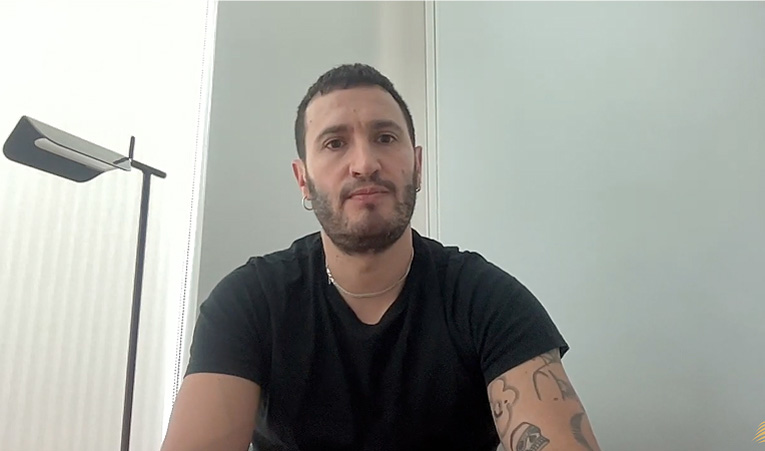
Dr. Jesse Finkelstein is a clinical psychologist, writer, and educator specializing in evidence-based care for adults, couples, and families. His work integrates cognitive-behavioral approaches with radical genuineness, humor, and creative design to make therapy both effective and engaging.
Dr. Jesse Finkelstein - CBT Therapist NYC
By Jesse Finkelstein, PsyD
Explore

Dr. Jesse Finkelstein, Psy.D.

Licensed Clinical Psychologist in New York (#026638) and New Jersey (#35SI00753600).
certified DBT clinician
Linehan Board of Certification, Certified Clinician™
Dr. Finkelstein is a clinical psychologist and a Linehan Board of Certification, Certified Clinician™ DBT therapist, specializing in evidence-based treatment for mood and anxiety disorders, OCD, trauma, and emotion dysregulation.

‍

His approach blends structured interventions with authenticity, humor, and curiosity — balancing research-driven methods with a deeply human style of practice.

‍

He received his BA from Brown University. He earned his doctorate in Clinical Psychology from Rutgers University, completed his predoctoral internship at Montefiore Medical Center, and a postdoctoral fellowship at Columbia University Irving Medical Center, where he later served as an Instructor in Clinical Psychology and Training Supervisor.

‍

At Columbia University Medical Center’s Day Program, he provided supervision in CBT, DBT, and exposure-based interventions, and helped develop programming for emotion regulation and trauma recovery.

‍

Dr. Finkelstein has received intensive training in Dialectical Behavior Therapy (DBT) and additional advanced training in Acceptance and Commitment Therapy (ACT), Prolonged Exposure (PE), Cognitive Processing Therapy (CPT), and the Unified Protocol.
His teaching and consultation emphasize transdiagnostic case formulation, exposure work, cognitive modification, and skills-based learning, helping clinicians integrate flexibility and creativity into evidence-based practice.

‍

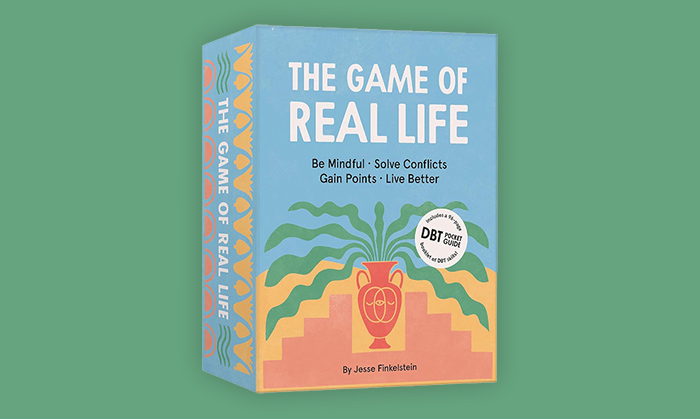
Beyond clinical work, Dr. Finkelstein is the creator of The Game of Real Life — a DBT-based card game designed to make skill use engaging and accessible — and co-founder of TheraHive, a digital learning platform for evidence-based therapy.

‍

He is also a contributor to resources such as the DBT-PTSD manual, the Rutgers DBT-RU skills video series, and the GBAT training videos for CBT and autism. He is an executive editor of the DBT Bulletin.

‍

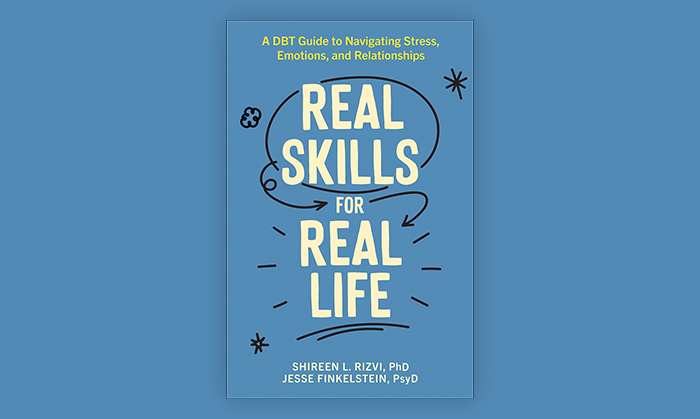
His recent book with Dr. Shireen Rizvi, Real Skills for Real Life: A DBT Guide for Stress, Emotions, and Relationships (Guilford Press, 2025), translates therapeutic principles into practical skills for everyday life.

Education and Training

Brown University, B.A., Political Science and Visual Arts, magna cum laude.

Rutgers University, Graduate School of Applied and Professional Psychology, PsyM, Clinical Psychology.

Rutgers University, Graduate School of Applied and Professional Psychology, PsyD, Clinical Psychology.

Montefiore Medical Center, Clinical Psychology Intern, APA-Accredited Internship Program.

Columbia University Irving Medical Center (CUIMC) — Postdoctoral Fellowship in Clinical Psychology.

Books and Games

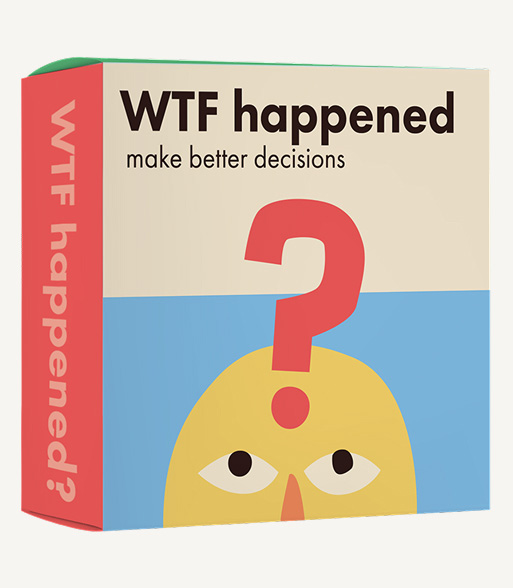
WTF happened. Make better decisions.
A Game by Dr. Jesse Finkelstein
Soon...
Soon...
Soon...
Real Skills for Real Life: Dialectical Behavior Therapy NYC Book Guide
A Book by Dr. Jesse Finkelstein and Shireen L. Rizvi
Buy on Amazon
Buy on Amazon
Buy on Amazon
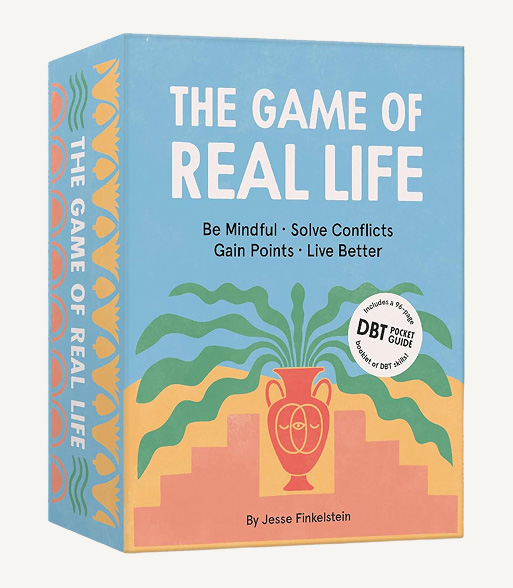
The Game of Real Life - based on the principles of DBT
A Game by Dr. Jesse Finkelstein
Buy on Amazon
Buy on Amazon
Buy on Amazon

Dialectical Behavior Therapy (DBT)
DBT What Skills: Observe, Describe, Participate
Learn the three DBT What skills, observe, describe, and participate, with a guided video and step by step practice from Axis Psychological Services.
Mindfulness of Current Emotions: A DBT Skill
Mindfulness of Current Emotions is a DBT emotion regulation skill for allowing feelings without avoiding or amplifying them. Video and practice steps.
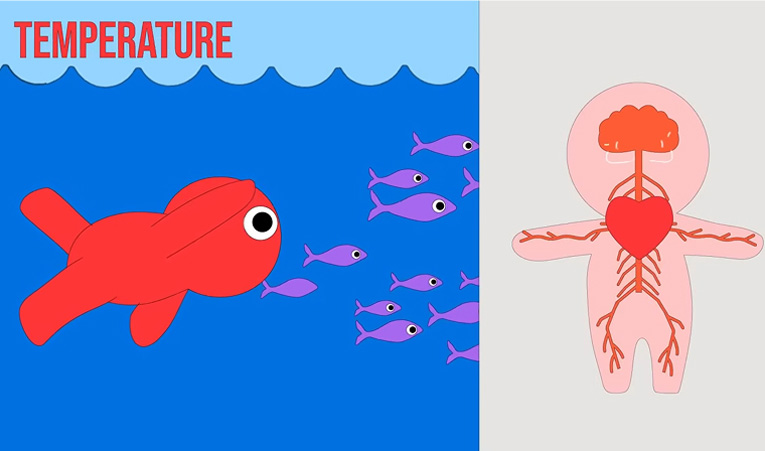
DBT Temperature Skill: Cold Water for Intense Emotions
Tip the temperature, the T in DBT's TIPP skills: how cold water on the face triggers the dive reflex and calms intense emotion fast. Steps, safety, video.
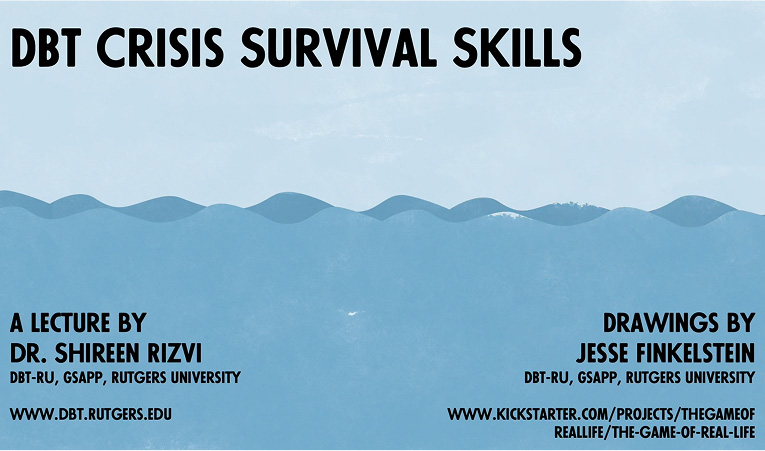
DBT Crisis Survival Skills
DBT crisis survival skills help you get through intense emotional moments without making things worse. Learn TIPP and other coping tools, with video.
DBT Distress Tolerance Skills: Crisis Survival, Part 2
DBT distress tolerance skills, part 2: ACCEPTS, self-soothing, IMPROVE the moment, pros and cons, and radical acceptance, explained step by step.
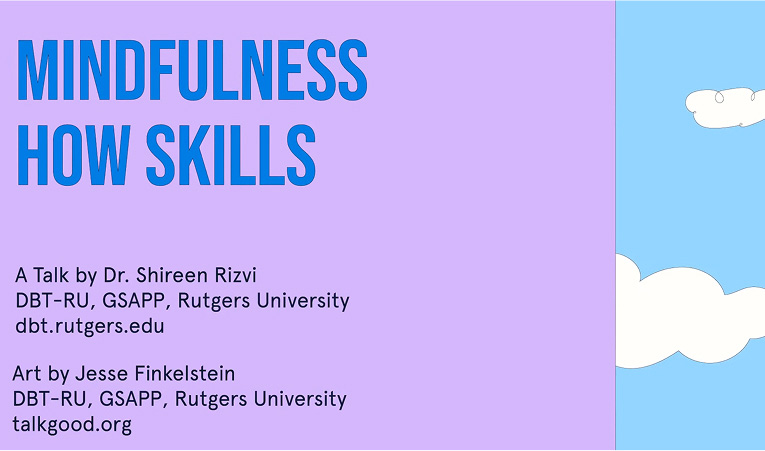
DBT How Skills: The Way You Practice Mindfulness
Practice the DBT How skills: non-judgmentally, one-mindfully, and effectively. Guided video and practical exercises from Axis Psychological Services.
DBT TIP Skills: Reduce Extreme Emotions Quickly
Learn the DBT TIP skills: temperature, intense exercise, paced breathing, and paired muscle relaxation to bring extreme emotions down fast. With video.
The DBT Observe Skill: A Mindfulness Exercise
Learn the DBT Observe skill with a guided mindfulness exercise. Notice sensations, thoughts, and emotions without getting caught up in them.
The DBT Describe Skill: A Mindfulness Exercise
Learn the DBT Describe skill: put words to your experience with facts, not judgments. Guided video and practice steps from Axis Psychological Services.
Mindfulness of Emotions: How to Observe Your Feelings
Learn mindfulness of emotions: how to notice feelings without being swept away. Step-by-step practice and a guided video from Axis Psychological Services.
Loving-Kindness Meditation: A Guide to Self-Compassion
A step-by-step guide to loving-kindness meditation for self-compassion, with a guided video. Learn the traditional phrases and how to adapt them.
Affectionate Breathing: A Self-Compassion Exercise
Affectionate Breathing is a gentle mindfulness exercise that meets emotional pain with warmth instead of force. Guided video and step-by-step practice.
Real Skills for Real Life: A DBT Guide by Rizvi and Finkelstein
Real Skills for Real Life is an illustrated DBT guide by Shireen L. Rizvi and Jesse Finkelstein: 26 core skills with decision trees for when to use them.
The Game of Real Life: A DBT Card Game by Jesse Finkelstein
A DBT card game by Dr. Jesse Finkelstein: conflict cards, skill cards, and a 96-page pocket guide. What is in the box and how it plays.
How DBT Differs From Talk Therapy
A friendly ear is supportive talk therapy, and it is a real treatment. DBT is something else: specific goals, skills practice, and acceptance with change.
Preparing Your Child With Natural Consequences
Why clearing every obstacle for your child backfires, and how DBT balances natural consequences with preparation. Dr. Jesse Finkelstein, NYC.
Imagining a Meaningful Future
Thinking about the future is a DBT skill, not a worry loop. How to imagine a meaningful future without catastrophizing or leaving the present.
The Dialectical Philosophy Under DBT Skills
DBT skills work because of the dialectical philosophy underneath them. What that philosophy says, and why it changes the way the skills land.
Recognizing Skills Deficits
DBT frames suffering as a skills deficit rather than an intrinsic defect. What that changes in treatment, and why it is the more accurate account.
Supporting Your Teen: How Families Learn DBT Skills Together
Multifamily group, separate parent and teen groups, or teen only. The three ways families learn DBT skills, and why parent practice makes them stick.
Using Curiosity and Compassion to Validate
Validation lives in tone, not wording. How curiosity and compassion change what the other person hears, and why they may not know the answer either.
Validation as a Way to Connect
Much of our suffering comes from feeling separate and defective. How validation addresses that layer, and why analyzing someone is not the same as helping.
Validation Is Not Agreement
Validation is not agreement. It is telling someone their reaction makes sense, which you can do while still thinking they are wrong.
Values to Build Resilience
Pain, illness and loss are not avoidable. Values are what preserve resilience and a sense of direction through suffering, and how to find yours.
Walking the Middle Path as a Parent
You do not have to choose between warmth and limits. The DBT middle path skill for parents, why and beats but, and why calm consequences work better.
Life Worth Living Goals
Life worth living goals come from Marsha Linehan's work with people in acute pain. What they are, why the question generalizes, and how to find yours.
When Fast Thinking Can Be Ineffective
High arousal pushes you into fast thinking at the worst moment. How the DBT STOP skill puts the brakes on before you say something you regret.
Cultivating Pride With Opposite Action
Shame says hide. DBT asks whether the emotion fits the facts, and if it does not, to act opposite. Dr. Jesse Finkelstein on pride as opposite action.
Who DBT Is For
Who DBT is for: it was developed for emotion dysregulation and now has evidence across many conditions. Why the skills are useful outside crisis.
Defining Crisis in DBT
A crisis in DBT is not only life or death. Three elements define one, and the skills for it are meant to get you through, not to solve the problem.
Finding the Right DBT Skill for You
Some DBT skills will not connect with you, and that is by design. How to test a skill fairly and build a shortlist you can actually reach for.
How DBT and CBT Fit Together
DBT and CBT share a family tree. DBT started as CBT applied to people it kept failing, what acceptance added, and how the two traditions converged.
ERP Therapy for OCD: What Exposure and Response Prevention Involves
ERP therapy for OCD explained: what exposure and response prevention involves, why it works, and what the first weeks of treatment actually look like.
CBT vs DBT: Which One Is Right for You
CBT vs DBT without the jargon: what each treatment targets, where they overlap, and the question that actually decides which one fits your situation.
CBT for Anxiety: How the Treatment Actually Works
CBT for anxiety explained: what the sessions involve, why exposure does most of the work, and how long a course usually takes.
Emotion Dysregulation: When Feelings Arrive Faster Than Judgment
Emotion dysregulation explained: why intensity arrives before judgment, what it is not, and which treatments target it directly.
PTSD Treatment: Prolonged Exposure and CPT Explained
PTSD treatment without the vagueness: what prolonged exposure and cognitive processing therapy involve, how long they take, and how to choose.
Panic Attack Treatment: Why the Fix Is Counterintuitive
Panic attack treatment explained: why calming techniques can backfire, what interoceptive exposure involves, and how short a course usually is.
What Happens in a First Therapy Session
What a first therapy session actually involves: what gets asked, what you do not have to disclose, and how to tell whether the fit is right.
Axis Psychological Services mark

Want to learn more about working with Dr. Finkelstein?

Get in Touch
Get in Touch
Get in Touch
Psychological Services

© 2026 Axis Psychological Services. All rights reserved.